01
Culture Bombay
The Woman Who Poured First
Forty years ago, a Bombay bar was a room women walked past. Then Shatbhi Basu stepped behind the counter, and the counter never looked the same.
6 min read 12 Aug 2026
A hungry state of mind
The stories behind the food. The people, the places, the plates.
Forty years ago, a Bombay bar was a room women walked past. Then Shatbhi Basu stepped behind the counter, and the counter never looked the same.
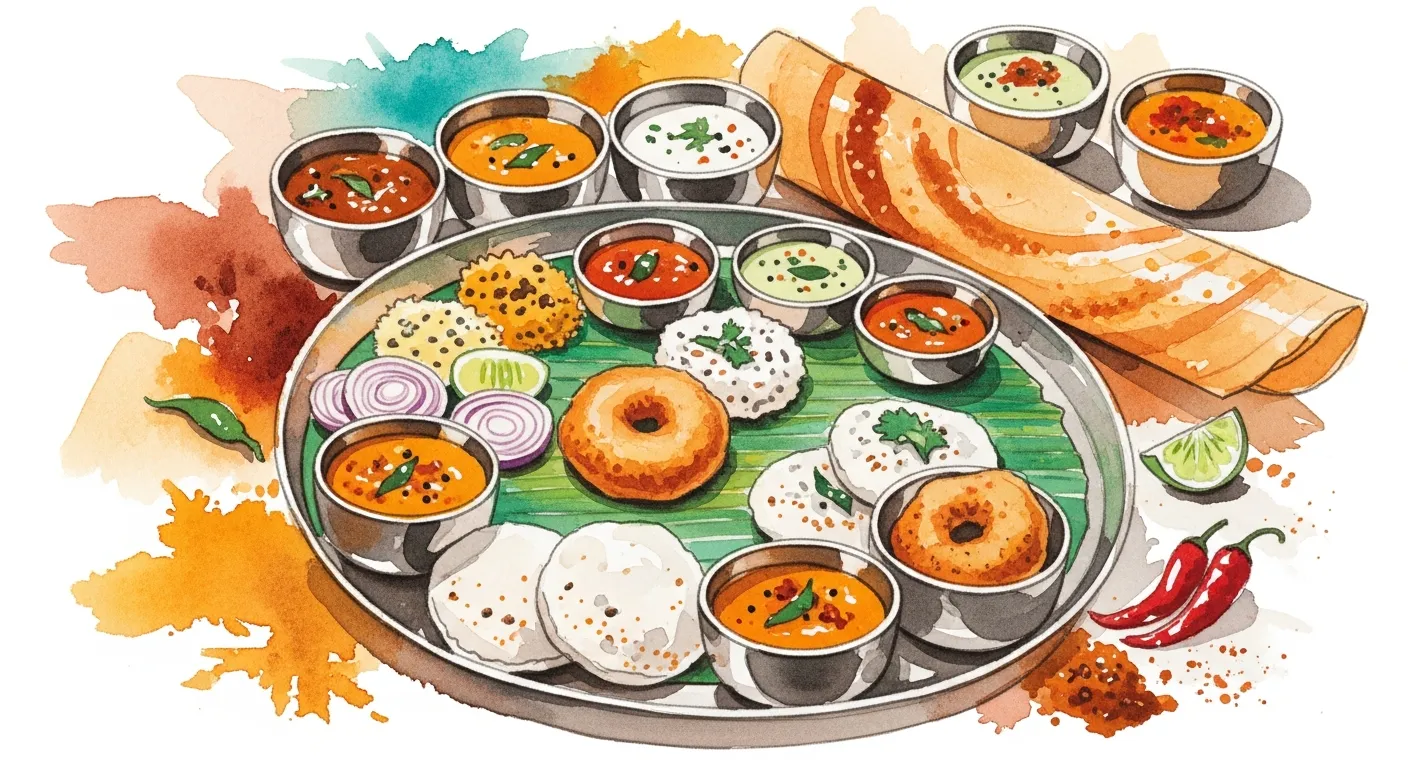
For eighty years, Matunga's Udupi kitchens ran on a supply chain of teenagers from coastal Karnataka. That pipeline is quietly closing.
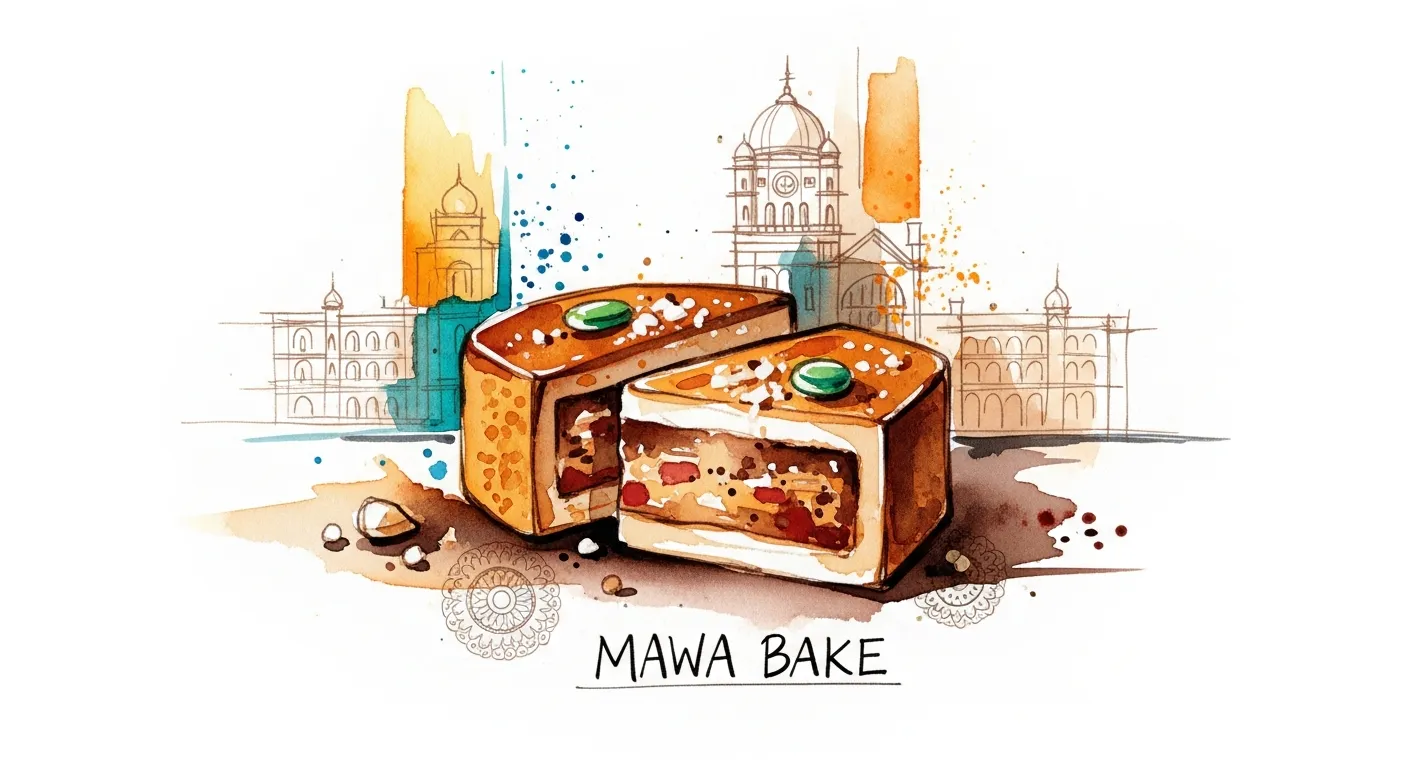
In Fort and Colaba, the Parsi and Irani bakeries that fed Bombay for a hundred years are being squeezed by egg prices, milk hikes, an LPG crisis, and a High Court order about firewood.
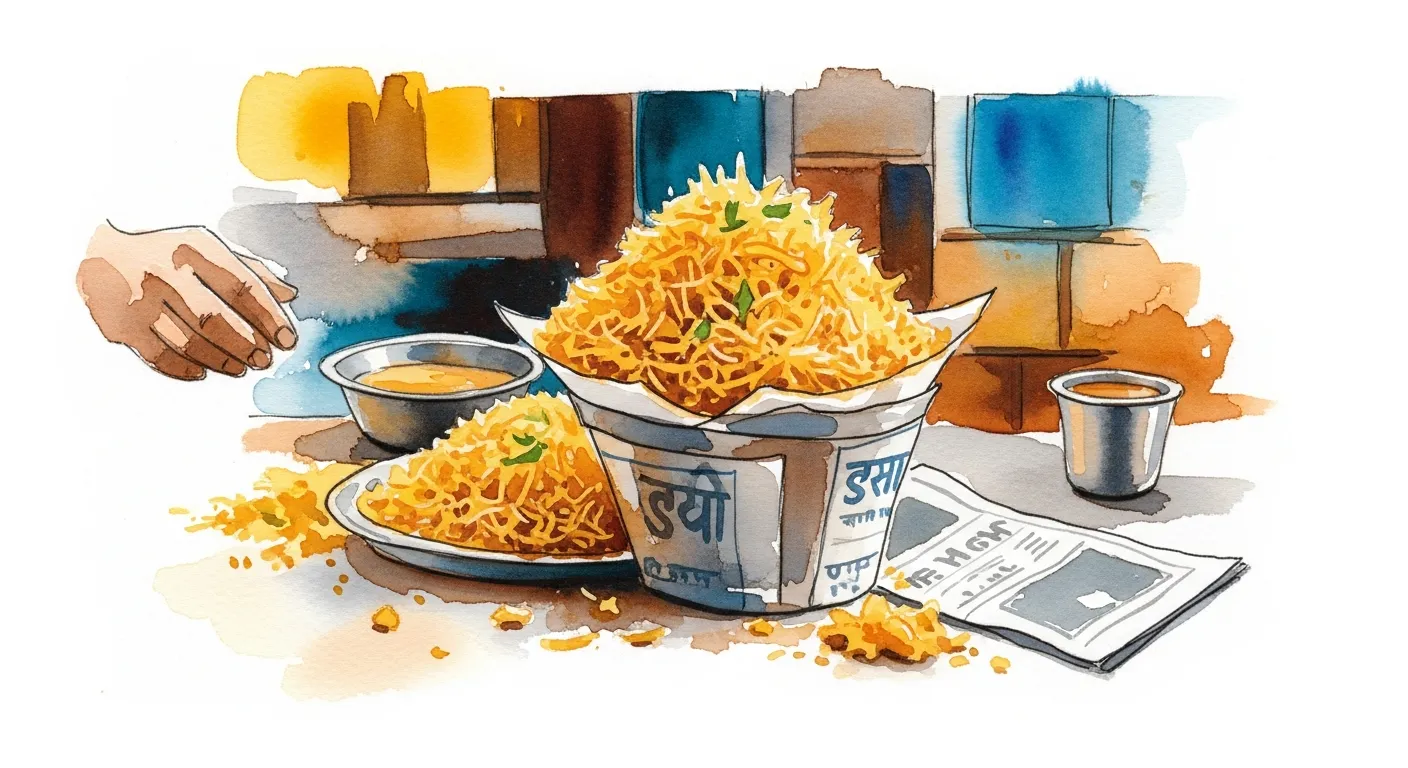
In Bhuleshwar, the farsan shops that fed a city's festivals for a hundred years are being priced out by palm oil, packaged competitors, and a generation that reads labels.
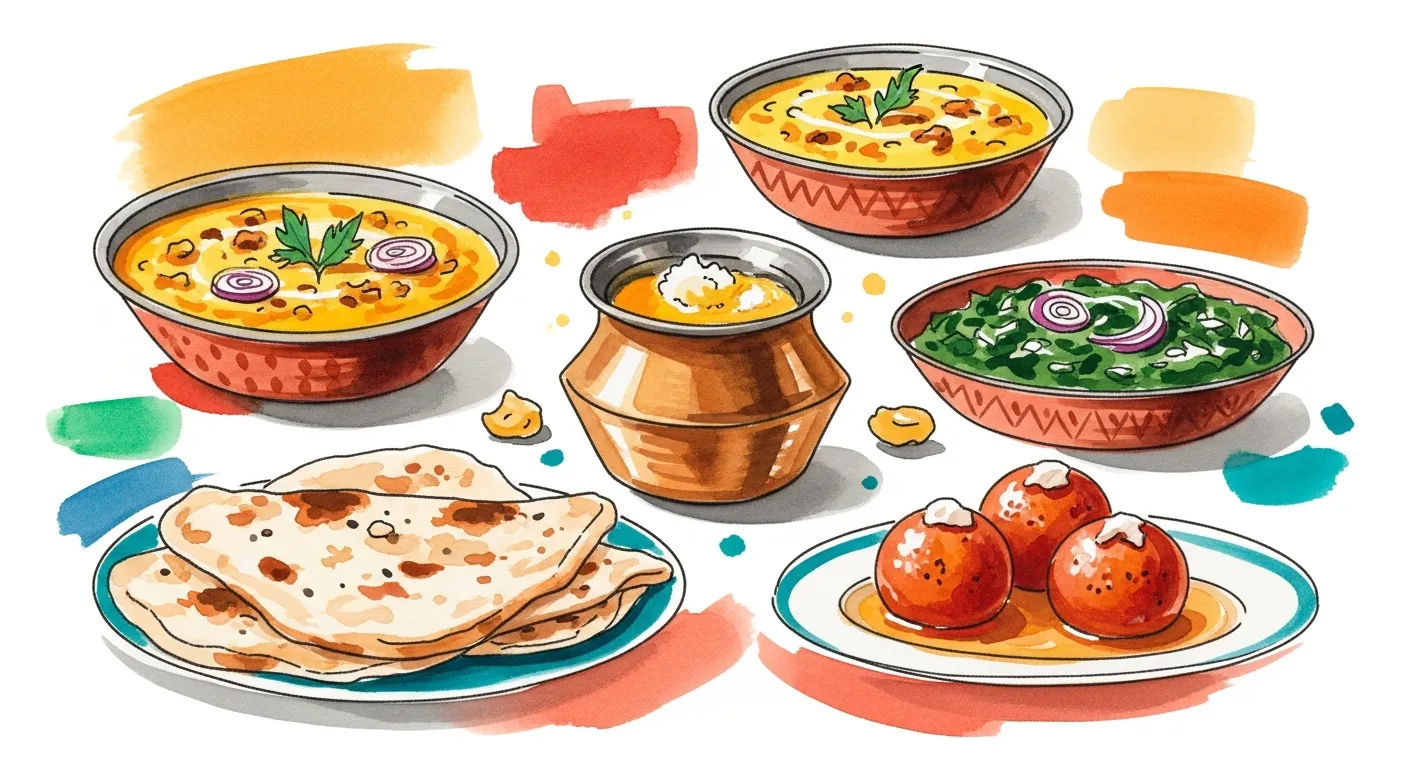
Kalbadevi's legacy mithaiwalas are being squeezed from two sides at once. The commodity market and the family WhatsApp group.
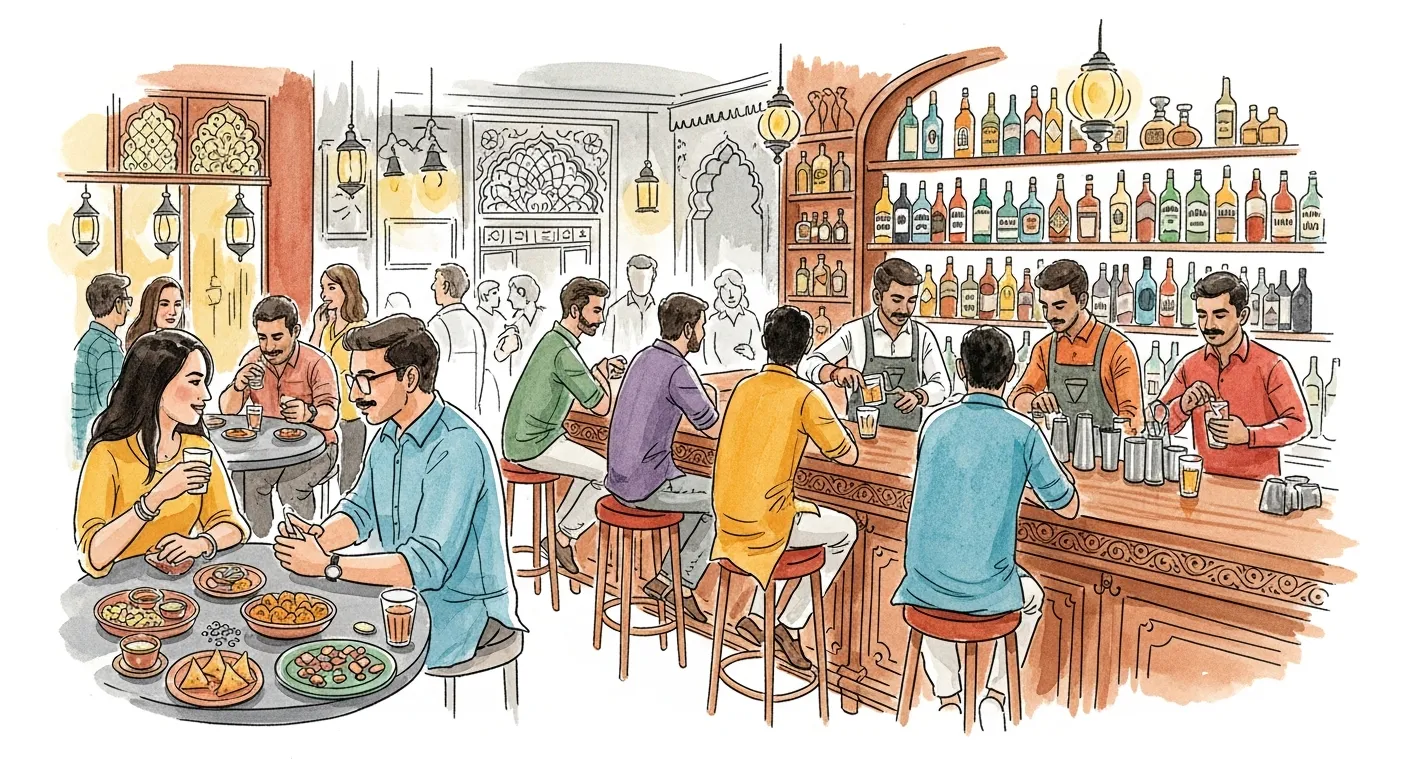
Two American sailors walked into a hotel in 1933 and accidentally made Bombay's first legal drink. Ninety-two years later, the city is still figuring out what to do with a licence.
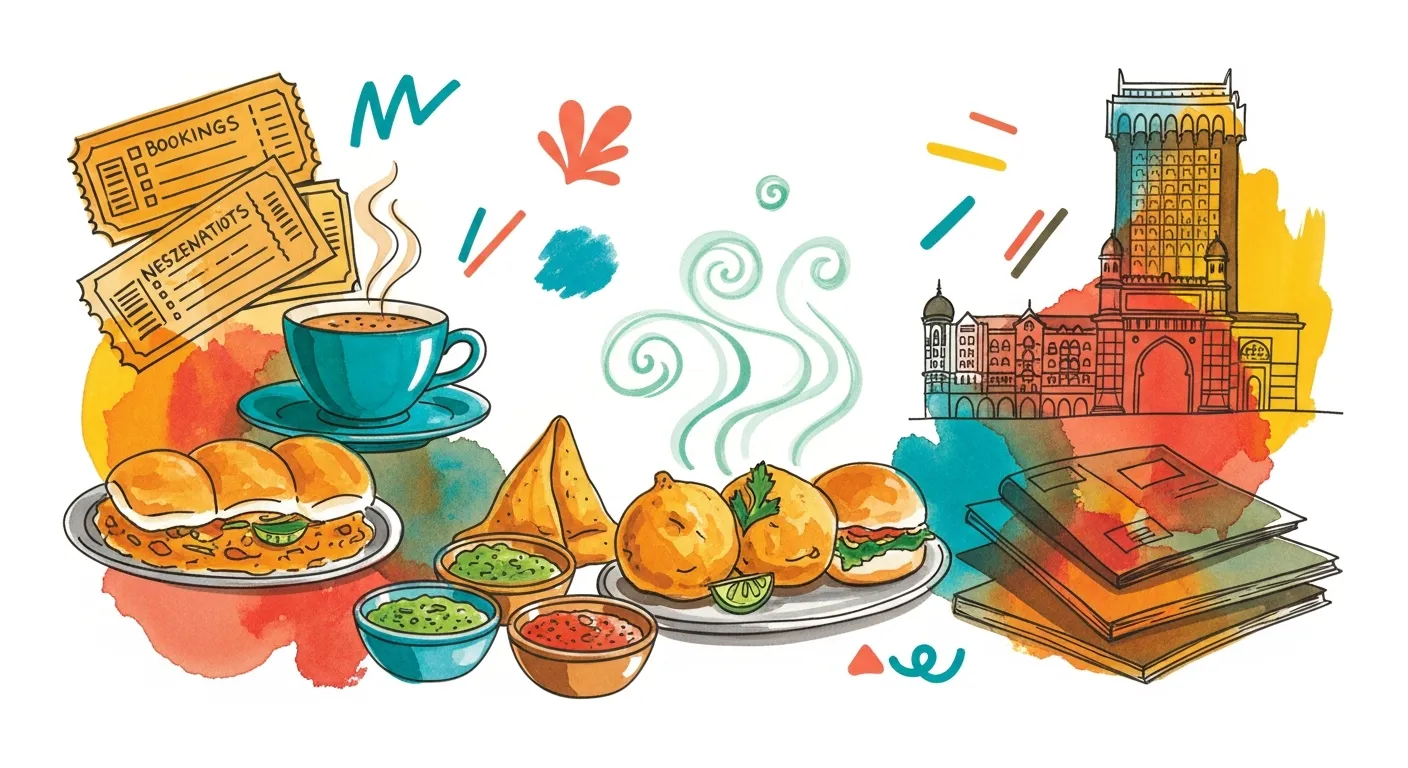
A Tokyo Bib Gourmand landing in BKC for two nights. A Sufi mehfil in a 19th-century Byculla furniture house. A Sunday buffet where the band plays until the lobster runs out. The Mumbai weekend, priced and timed.
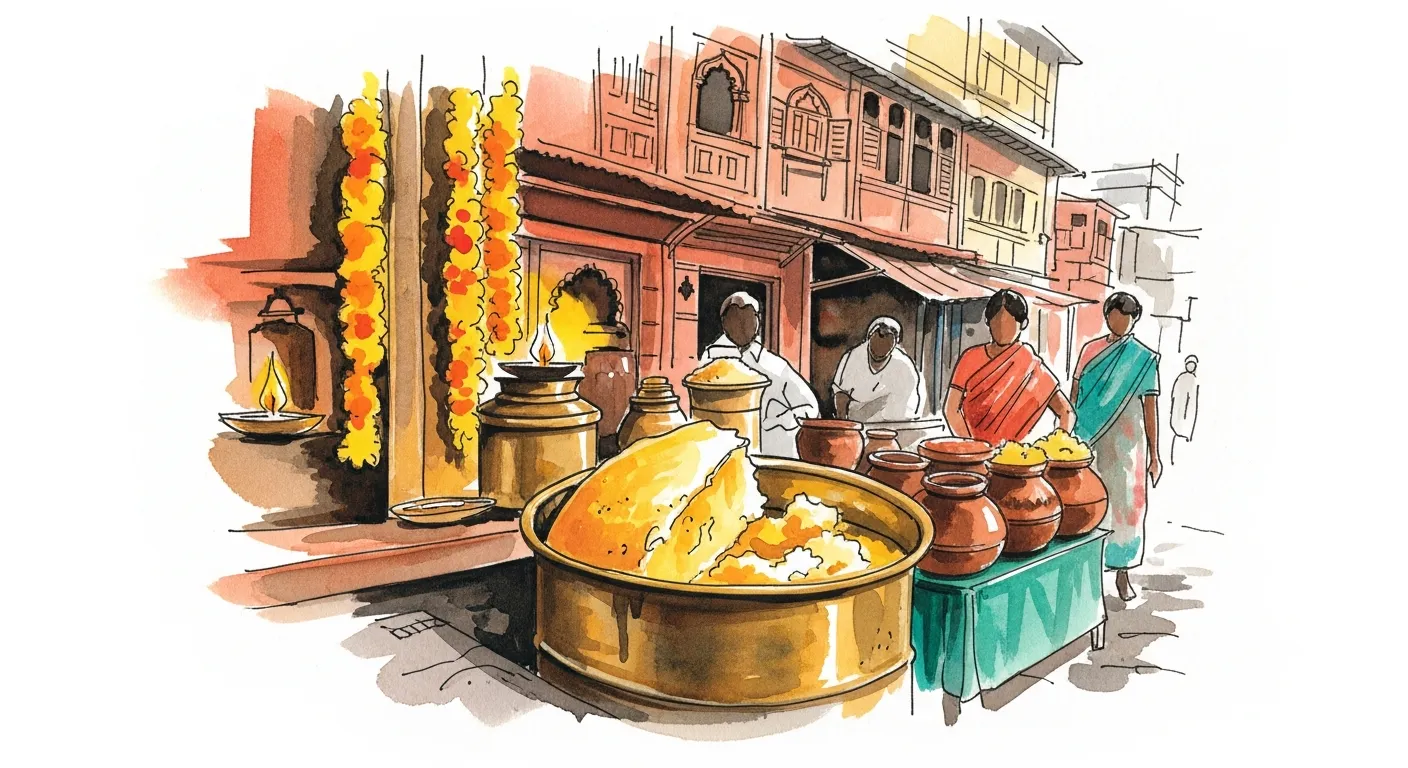
In Bhuleshwar's lanes, a mithai economy built over 150 years is meeting the economics of organised retail. The kaju katli is fine. The kaju katli-wallah is doing the math.
A Korean carnival at Kurla, a pier festival that runs until July 23, a Juhu hotel buffet with a live band playing to 4pm, and the market that has been closed on Sundays since 1869. Two days. One city. A schedule.
A discovery bar in Khar built around one ingredient. A speakeasy pouring half-cocktails at half the price. A Todi Mill room that took the wardrobe out of the equation. Four rooms. One night. The food menu everyone forgets.
A monsoon pier festival, a blind coffee tasting in Khar, a Korean carnival at Kurla, and the Sunday buffet that still runs a live band past three. Two days. One city. A schedule that assumes you know what you're doing.
Morarji Desai banned hand-pulled rickshaws in Bombay seventy-five years ago. The men who pulled them ate at specific canteens in Bhendi Bazaar. Those canteens are still there. The men are not. Nobody planned for what happens to a restaurant when its customer base is legislated out of existence.
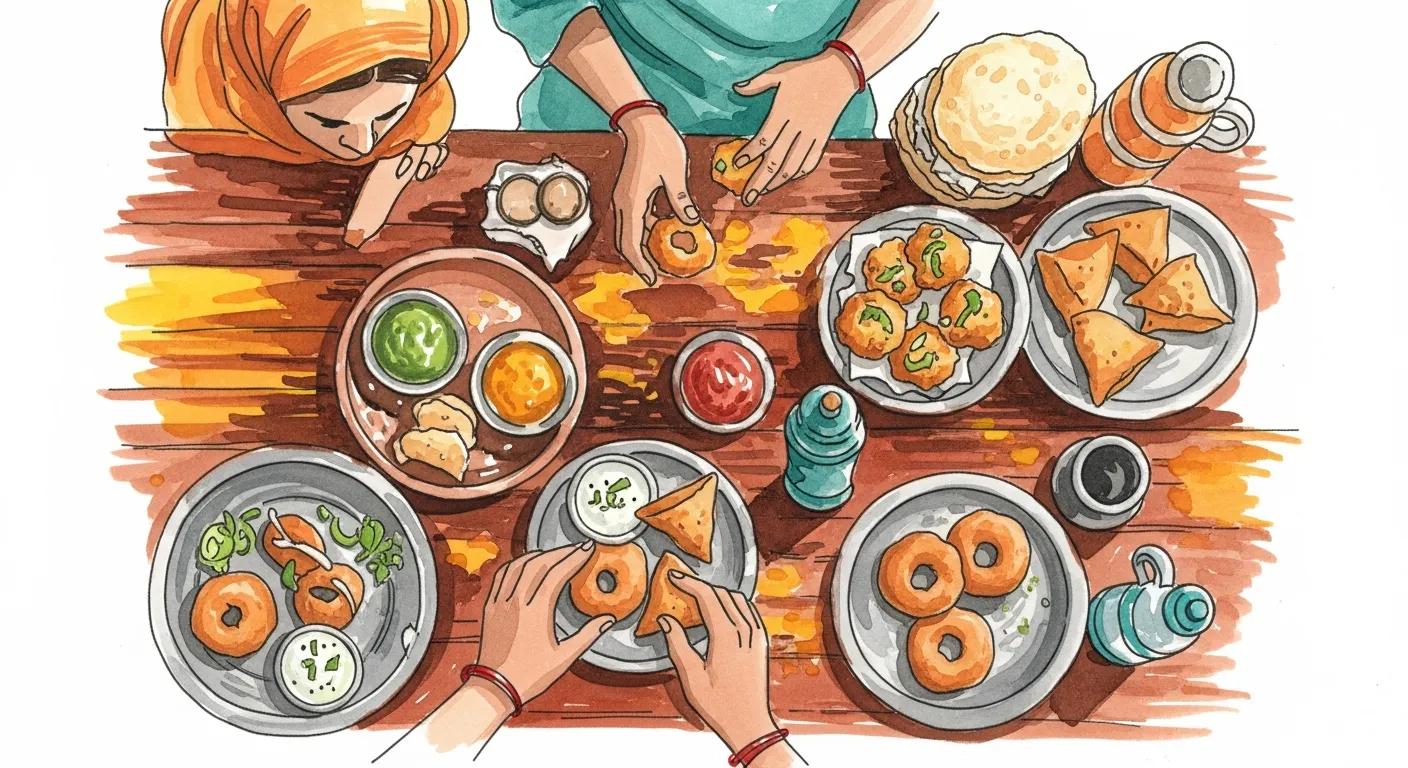
A bar in Bandra named after a Hindi numeral. A pour the size of a chai glass. An Elephanta Caves cocktail with 90 percent local ingredients. The Mumbai bar finally stopped translating and started writing.
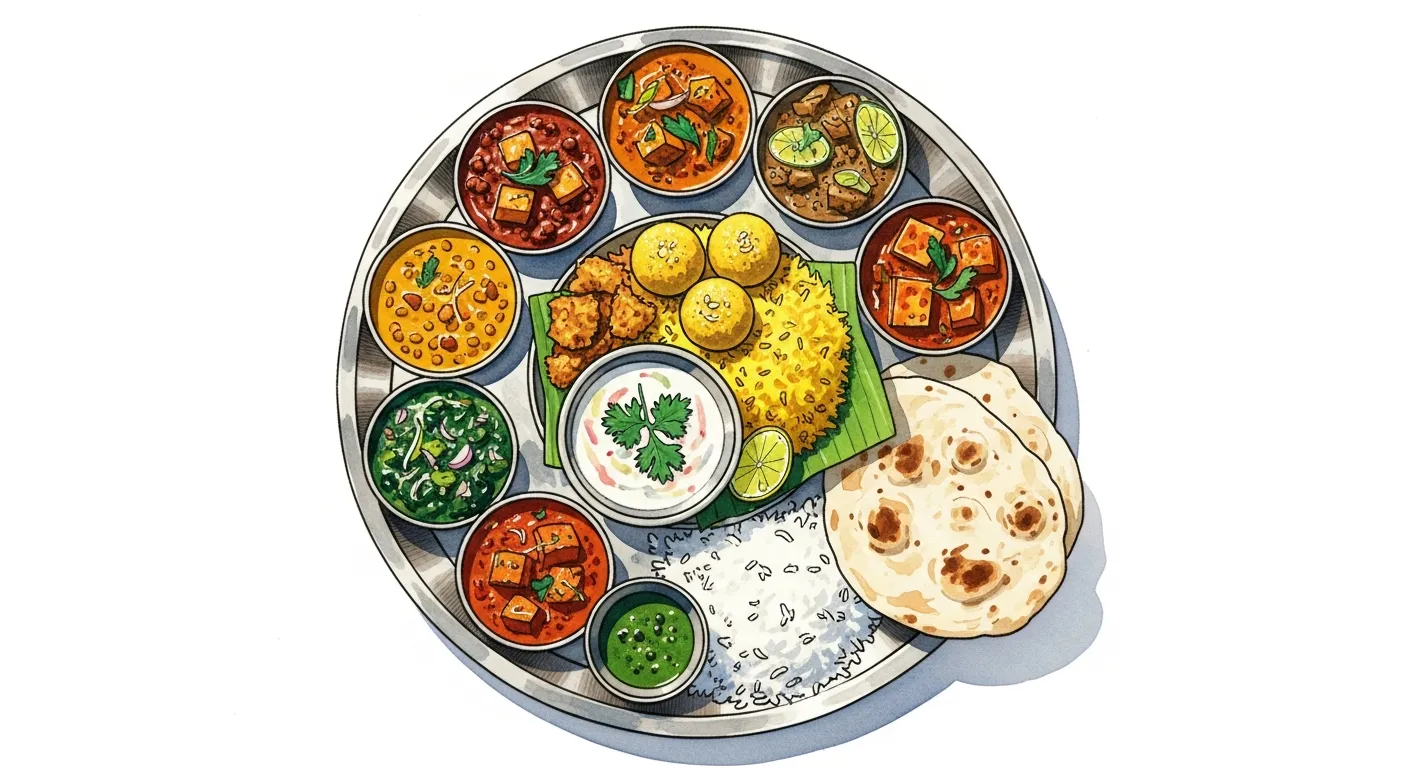
Bhendi Bazaar is being rebuilt in glass and steel. The Bohri kitchens inside it are being rebuilt in sushi and khow suey. The thaal in the middle has not moved.
A vegetarian speakeasy in Bandra, a half-pour bar that thinks like a chai stall, a 1981 graduate still teaching the city how to pour. Four arguments about what Bombay drinks after dark.
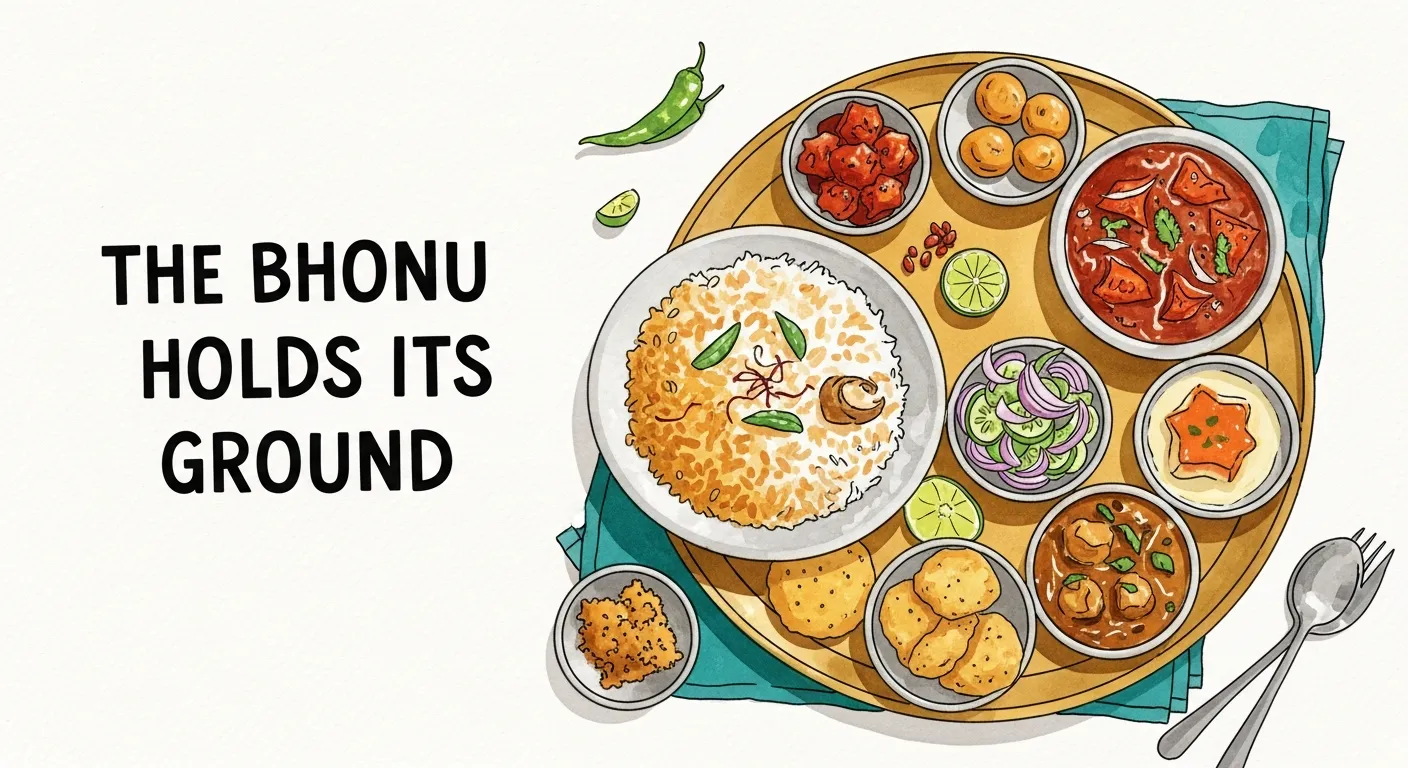
Fort and Dhobi Talao still cook for a community that shrinks ten percent a decade. The recipes haven't moved.
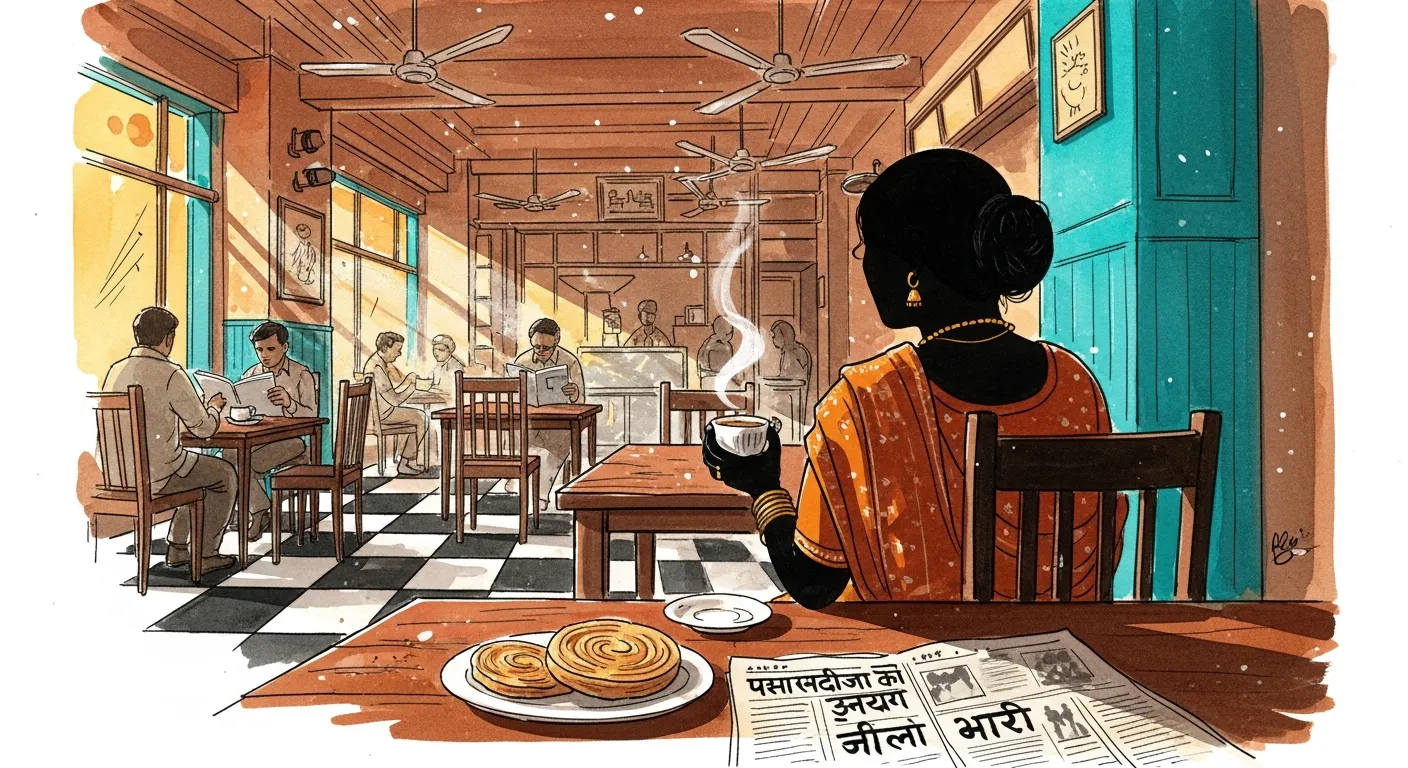
Shatbhi Basu was twenty-two when she became India's first woman bartender. The country took forty-four years to catch up.
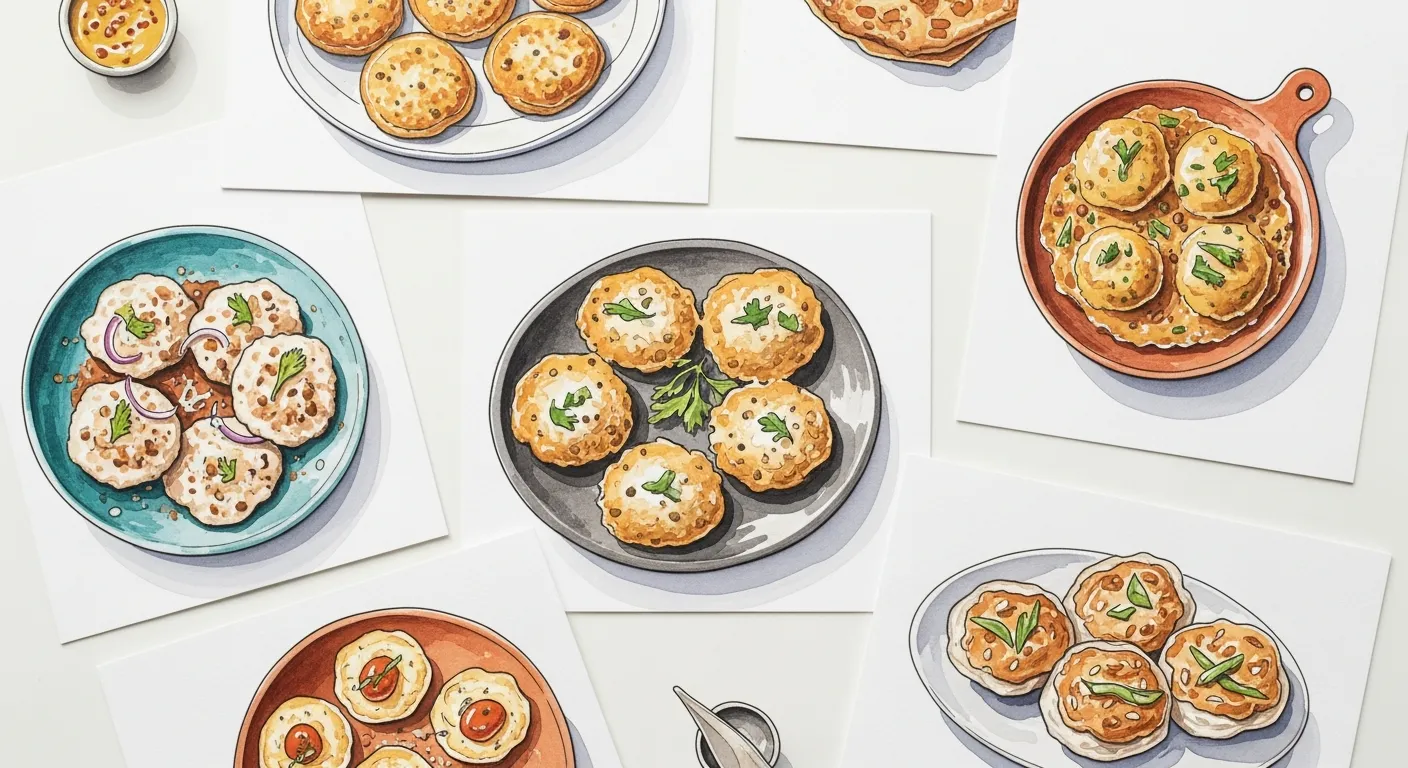
A truffle from Alba, a thali from Goa, a burger fest at a mall, and a mithai studio that opened in Bandra last week. Seven days. One city. Nowhere to sit still.
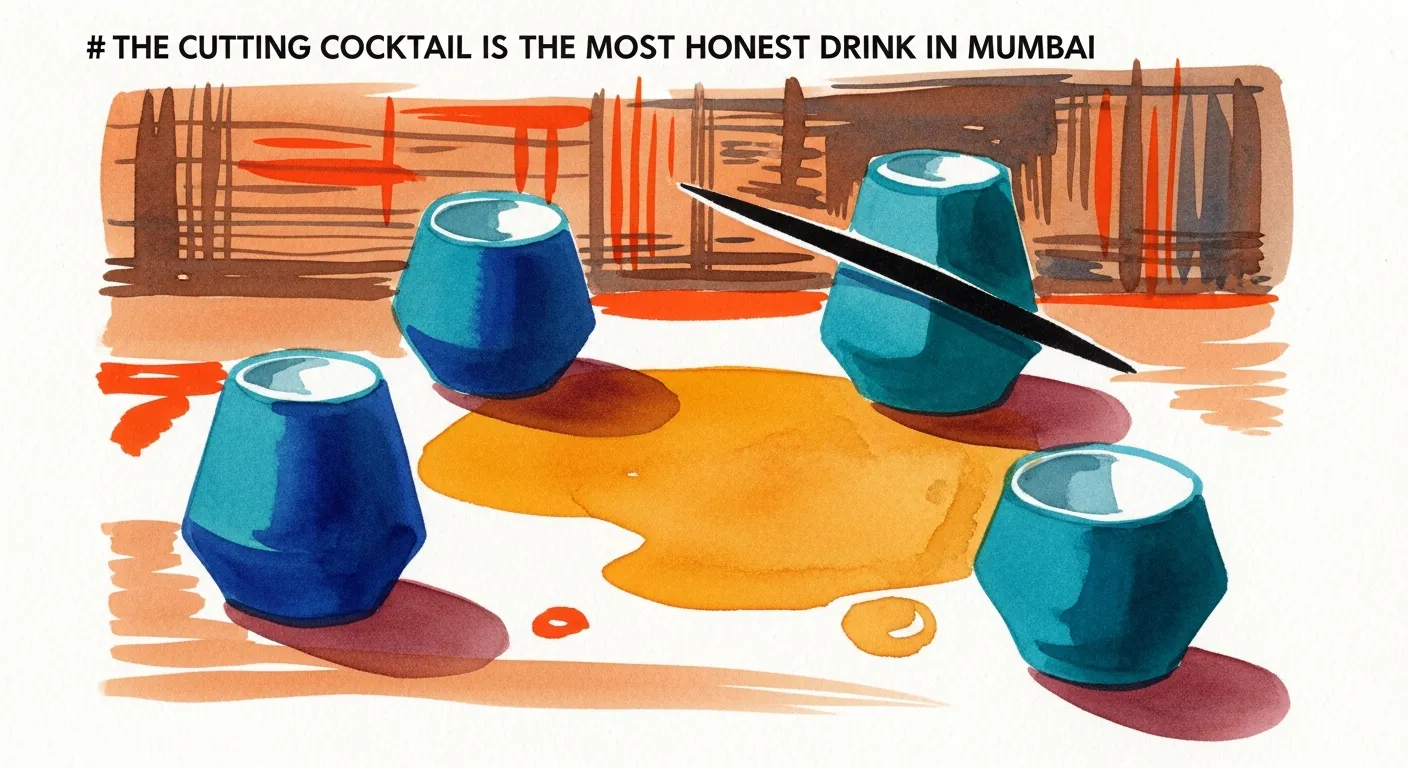
Half the pour, half the price, twice the conversation. The city that invented the cutting chai finally figured out what to do with its bartenders.
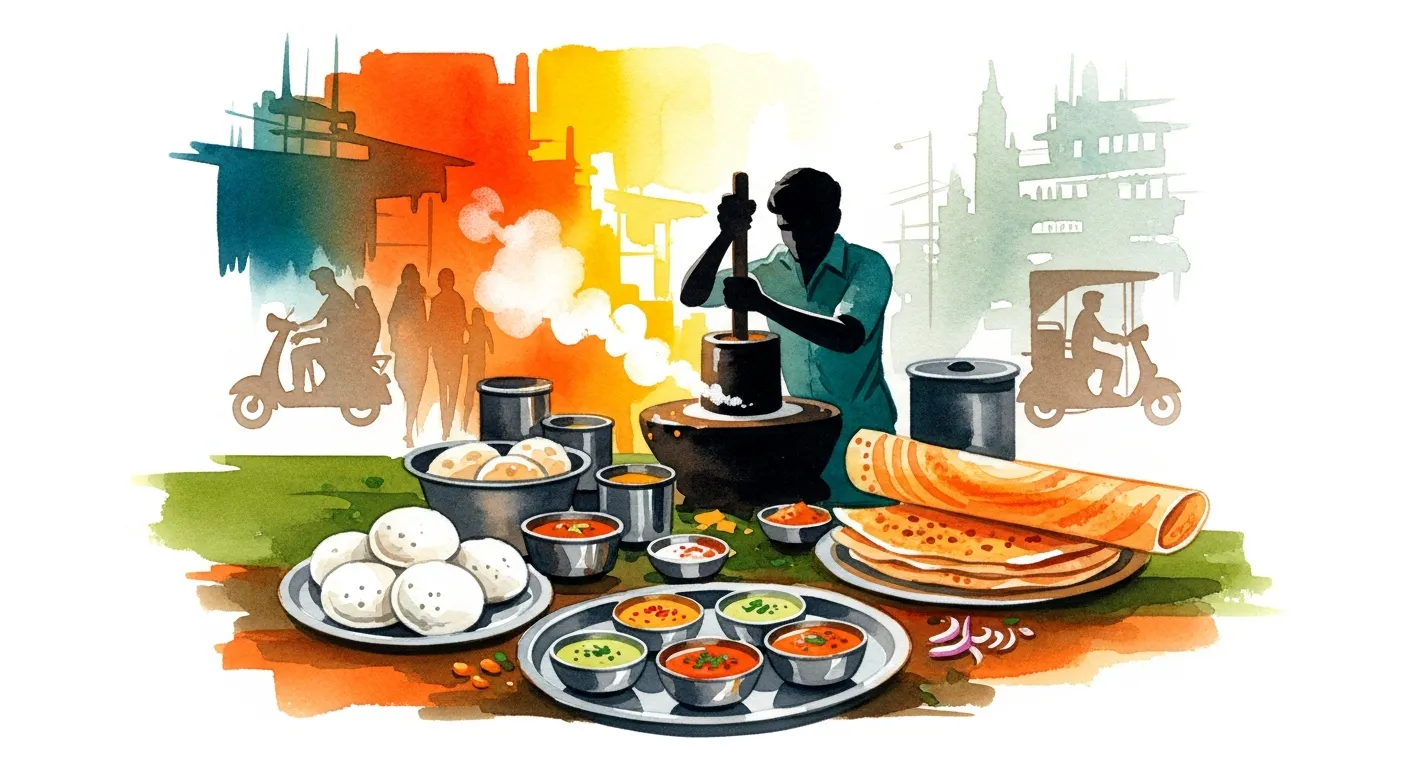
In Lalbaug's Mirchi Galli, a Koli grandmother's masala still gets ground to her exact recipe. The LPG cylinder has other ideas.