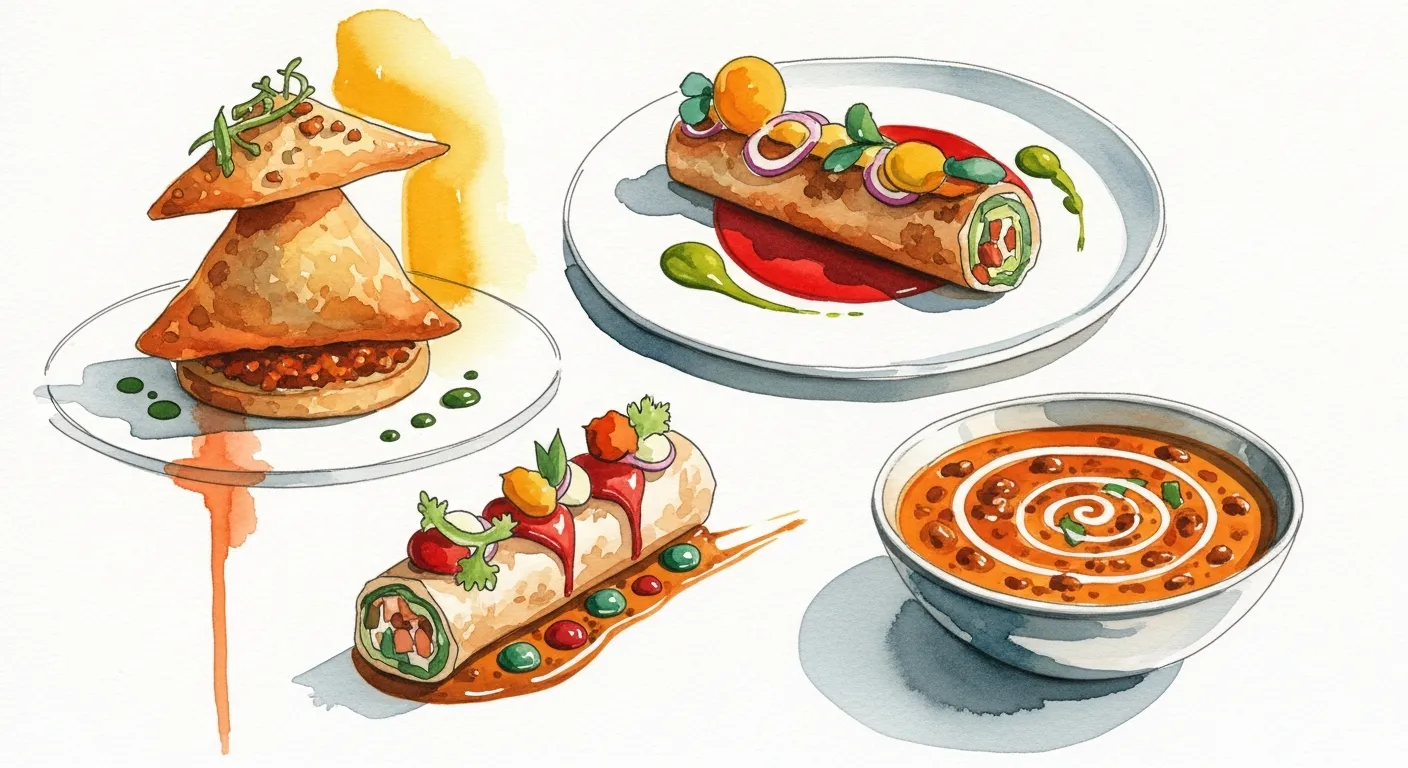
The Tariff That Rewrote the Tasting Menu
In Colaba, a 150% duty on imported wine and a 60% surge in farm-to-table sourcing are doing what decades of nationalism could not. Fine dining is finally speaking Marathi.
A hungry state of mind
The stories behind the food. The people, the places, the plates.

In Colaba, a 150% duty on imported wine and a 60% surge in farm-to-table sourcing are doing what decades of nationalism could not. Fine dining is finally speaking Marathi.

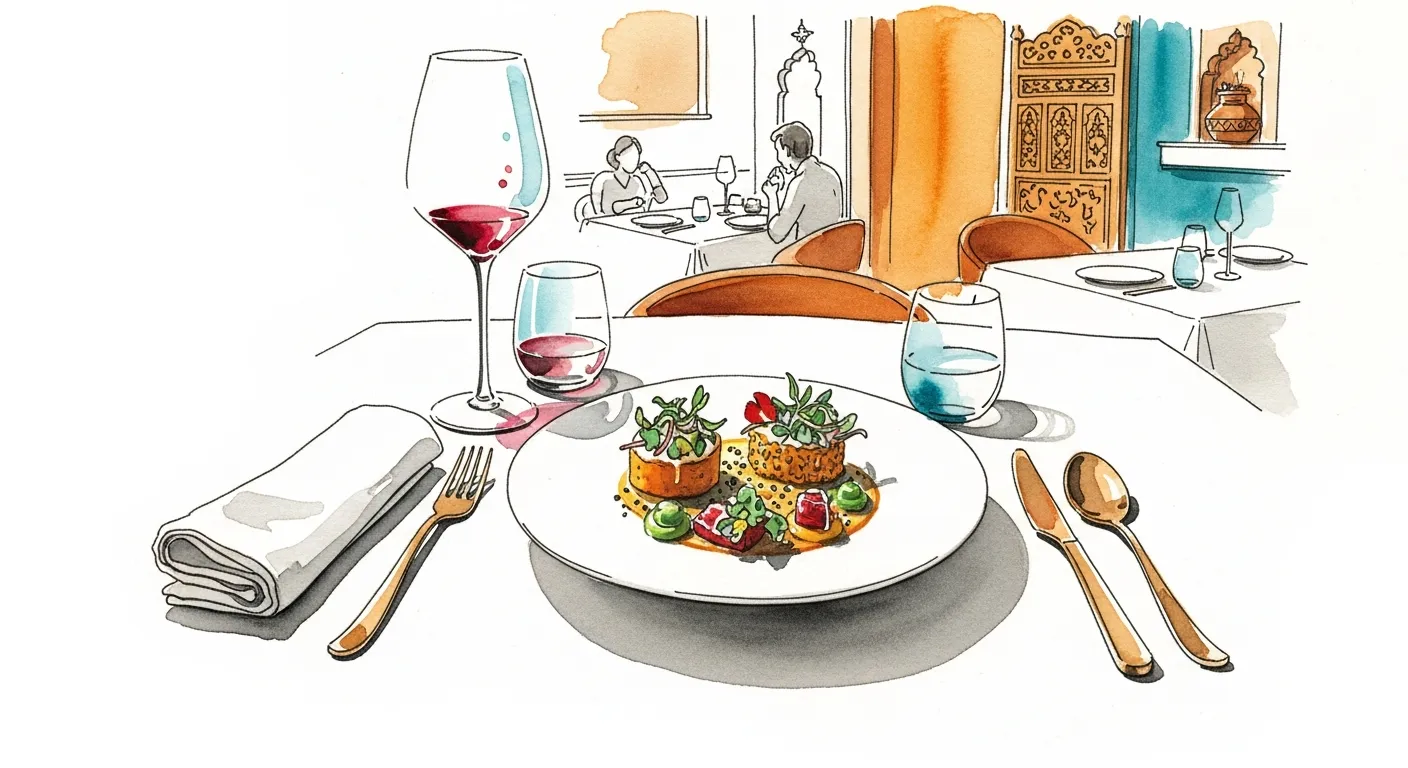
Lower Parel's fine-dining rooms are quietly shrinking. The economics finally caught up with the chandeliers.

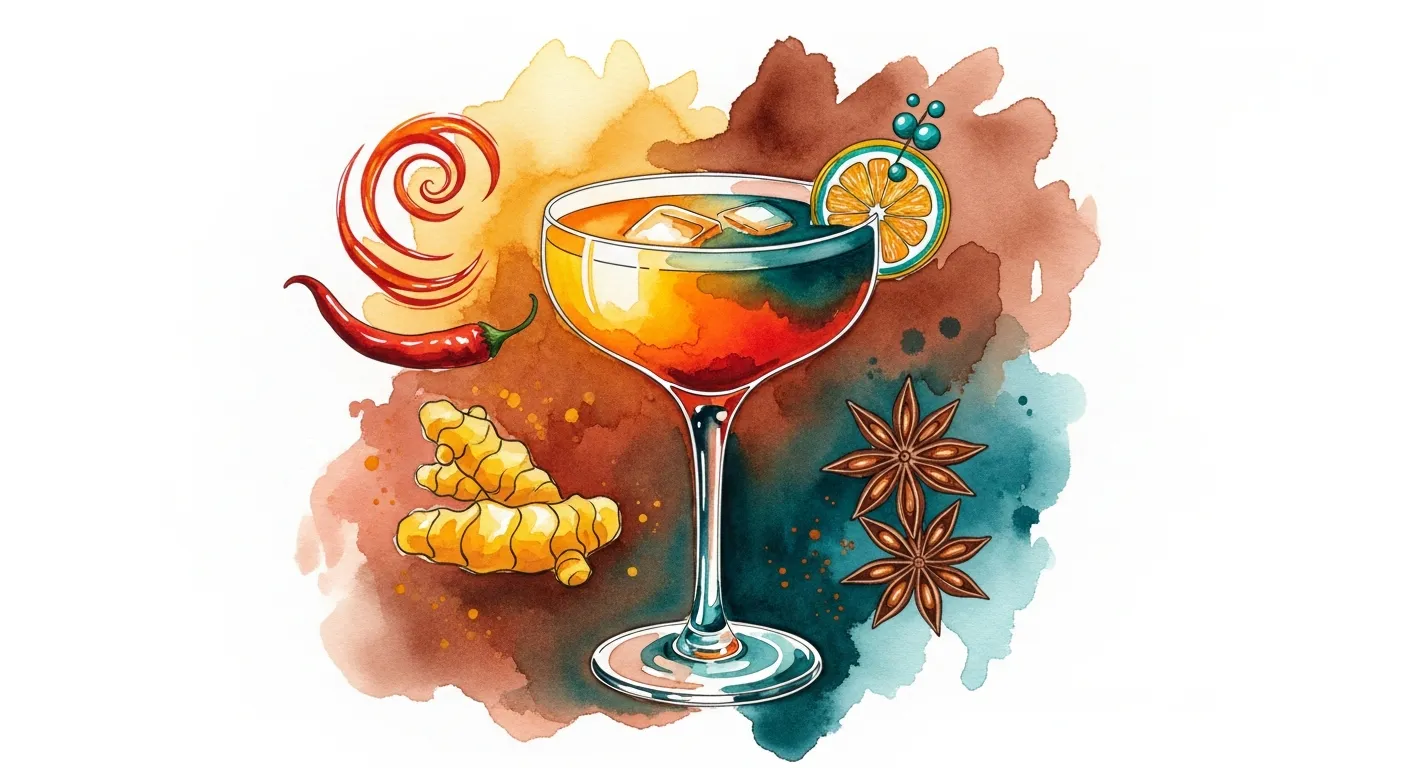
Mumbai's cocktail bars stopped copying London around 2019. What happened next is a menu written like a book.

Fine-dining kitchens in Bandra Kurla Complex are quietly rewriting their supply chains. The imported burrata is losing to the local hardy green. The spreadsheet is winning.

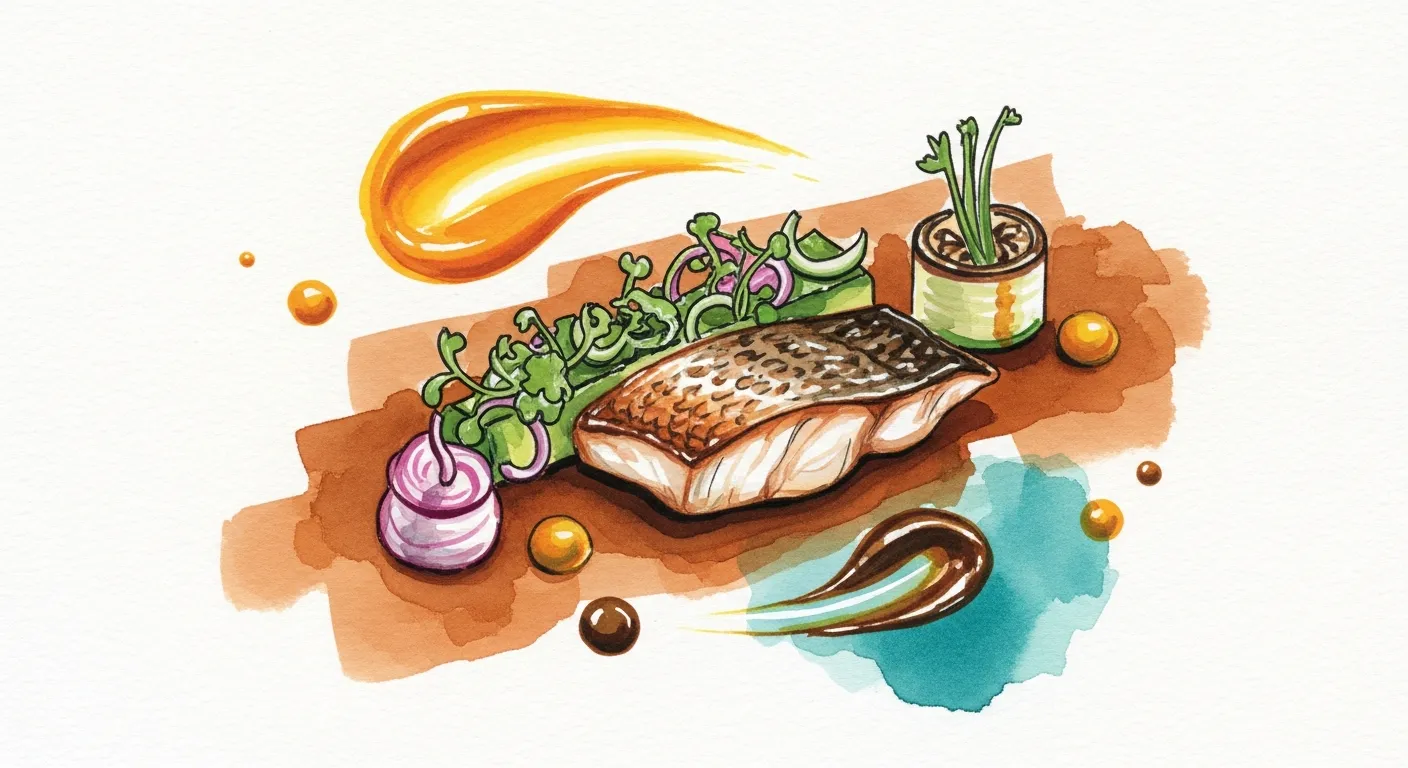
Bandra and Lower Parel's fine-dining rooms are quietly rewiring a four-hundred-year-old supply chain. The middleman is losing. The mackerel is winning.

Bandra's lanes are hiding a new kind of restaurant. Fourteen chairs. No signboard. A chef who has finally stopped explaining themselves.

Lower Parel's textile floors are being sliced into 20-seat rooms. The fine-dining playbook is quietly being rewritten.

Ballard Estate was built to ship cotton. A century later, its ground floors are shipping pre-colonial ingredients back into the Indian mouth, at fine-dining prices.

Five bars. One city. A licensing law from 1949 that still decides what time you stop drinking. And a food menu nobody orders from.